
Grant Year
2025Project Leader/s
Project Description
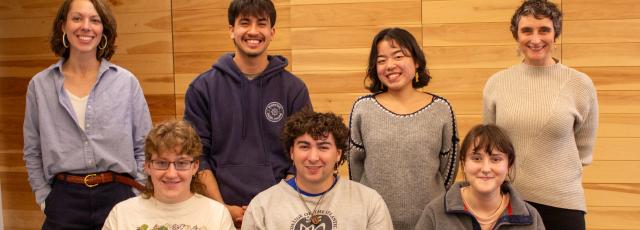
The relationship between people, plants, and place is central to the Thoreau Farm and Garden Fellows Program at College of the Atlantic. Grounding, exploratory, and deeply engaging, this theme runs throughout course offerings, program descriptions, and campus life—and has long shaped the thinking and practice of COA faculty and students alike.
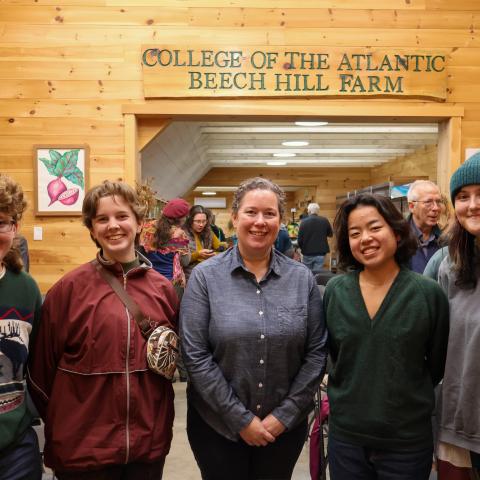
Located in Bar Harbor, Maine, College of the Atlantic is rooted in a human ecological perspective that examines the interconnectedness of humans and their environment. Students are encouraged not only to investigate complex systems, but to work collaboratively toward positive, tangible change. The Farm and Garden Fellows Program brings this philosophy to life by offering students real-world experiences that connect theory and practice in food and agricultural systems.
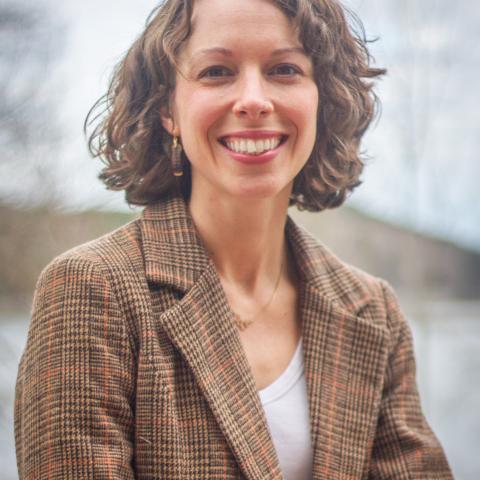
“At COA, students don’t just want to learn, they want to do,” says Dr. Kourtney Collum, Partridge Chair in Food and Sustainable Agriculture Systems and principal investigator for the program. “We are in an era marked by climate uncertainty and growing inequities in global food systems. Our students are hungry for immersive opportunities to engage with food systems in all their complexity, from production to policy.”
Recently funded by the Thoreau Foundation, the Farm and Garden Fellows Program provides students with opportunities to integrate academic learning with hands-on practice in sustainable agriculture and food systems. The program’s objectives include:
- Developing and implementing a coordinated educational plan that expands student engagement with campus farms and gardens
- Offering meaningful, skill-building work experiences for staff, interns, and work-study students
- Increasing access to sustainably produced food for the campus community
- Deepening partnerships and engagement with local farms, gardens, and community organizations
COA students are driven by a commitment to building socially and economically just communities. That passion is evident in initiatives such as Share the Harvest, a student-run food access program that helps ensure fresh, organic, local produce reaches low-income residents of Mount Desert Island. Students see themselves as future leaders in the transition toward healthy, just, and resilient food systems, and they seek practical experience to prepare them for that work.
“Our food systems are broken,” says Collum. “Although we produce far more than enough food globally, popular narratives continue to frame industrial agriculture as the solution to food insecurity. This fellowship is designed to cultivate knowledge, initiative, and both technical and interpersonal skills needed to imagine and build alternatives.”
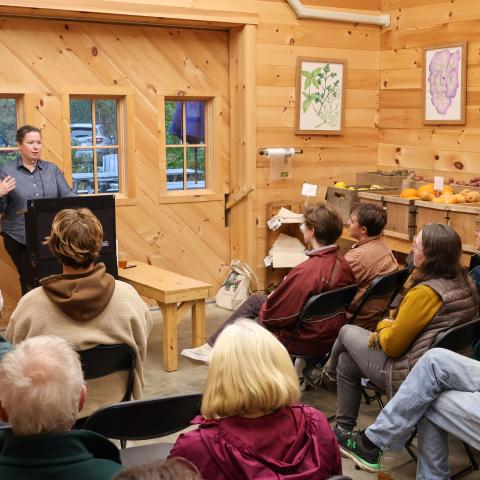
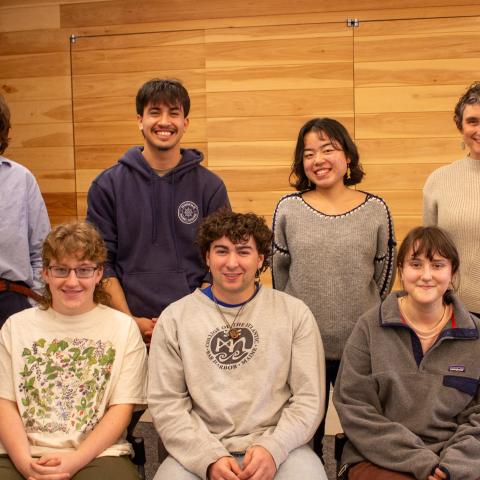
At the heart of the program is advising and mentorship from both professionals and peers. The inaugural cohort of Fellows will collaborate to design workshops and discussions, partner with local businesses and community members, and complete internships across a range of food system-related roles from fieldwork to policy and operations.
“Work-study is more than manual labor,” Collum explains. “We want students to graduate with vocational skills, leadership experience, and a deep understanding of food systems. Internships are some of the most powerful tools for student development. I see students apply what they learn in class to real-world problems, and suddenly everything starts to click.”
These experiential components are complemented by interdisciplinary coursework in food systems. One course asks, “What would it take to ensure access to healthy, safe, affordable, and culturally appropriate foods for all people?” Others focus on agroecology, seeds, land and climate, and farm and food policy. In response to student interest, farm managers will also develop two new courses tailored specifically to the Fellows cohort.
The Farm and Garden Fellows Program is the result of sustained collaboration among dedicated faculty and staff. As project leader, Collum plays a central role. When asked if she is busy, she laughs. In addition to her faculty position, she serves as principal investigator for the Fellows Program, COA’s Provost and Dean of Faculty, vice-chair of the community food pantry, and a longtime volunteer with the Master Gardener Program. Her work continues to focus on student and community food insecurity, food sovereignty, and prison food systems. When time allows, she explores Maine’s mountains and waters with her family and her semi-feral dog, Bruce.